Evaluating the Pink Swirls Patterned Window Pillow Box for Festive Packaging
When selecting packaging for holiday treats, wedding favors, or small gifts, the balance between aesthetic appeal and structural functionality is paramount. The Pink Swirls Patterned Window Pillow Box represents a specific niche in DIY packaging that combines traditional gift box geometry with modern digital fabrication capabilities. Unlike standard opaque containers, this design integrates a transparent viewing area, allowing the contents to serve as part of the visual presentation. For crafters and event planners comparing packaging options, understanding the technical specifications, material requirements, and practical limitations of this template is essential for determining if it aligns with project goals.
Design Distinctions and Visual Utility
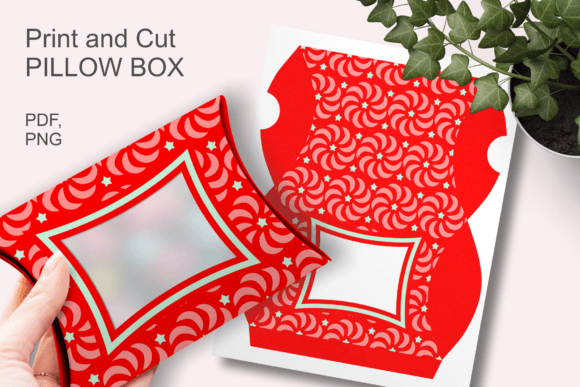
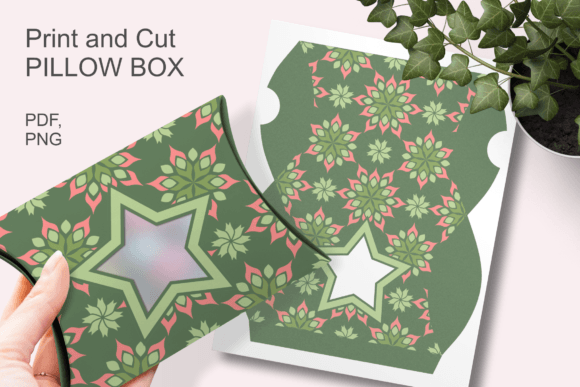
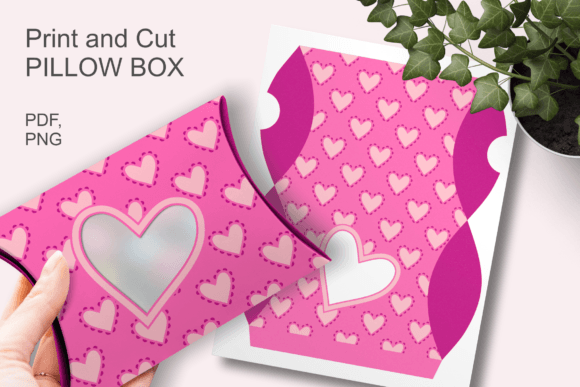
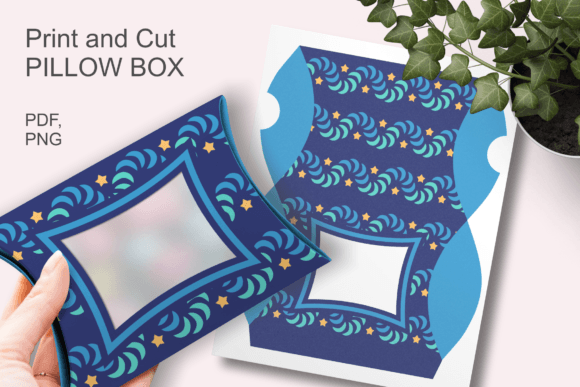
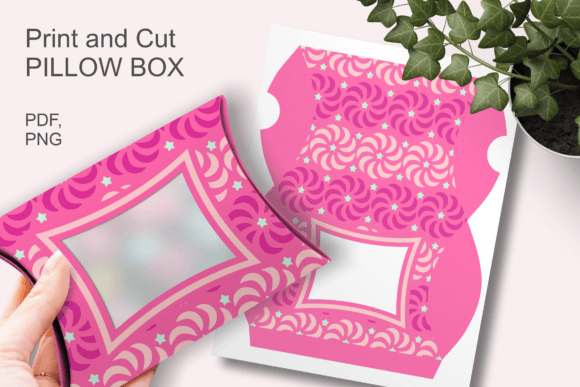
The primary differentiator of the Pink Swirls Patterned Window Pillow Box is the integration of a die-cut window within a curved pillow structure. Standard pillow boxes are typically solid, relying entirely on external printing or attached embellishments for visual interest. By incorporating a see-through window, this template shifts the decorative burden partially to the contents themselves. This is particularly relevant for winter holidays and festive events where the texture and color of candies, cookies, or handmade soaps contribute to the overall theme.
The pink swirl pattern serves as a versatile backdrop that bridges the gap between juvenile and adult aesthetics. While clearly festive, the vector-based nature of the design allows for scalability without pixelation, ensuring the pattern remains crisp whether printed at the standard 4.6 x 6.4 inches (12 x 16 cm) or resized for larger favors. Compared to generic red-and-green holiday packaging, the pink palette offers an alternative for winter weddings, baby showers, or non-traditional Christmas celebrations where softer tones are preferred over high-contrast seasonal colors.
Digital File Formats and Fabrication Compatibility
A critical factor in evaluating digital templates is compatibility with available hardware. This resource provides a comprehensive suite of file types designed to accommodate both manual assembly and automated cutting. Understanding which format suits your workflow prevents frustration during production.
- Raster Files (PNG, PDF): The 300 DPI PNG with a transparent background and raster-based PDF are optimized for printing. These are best suited for users who will print the pattern onto cardstock using a home inkjet or laser printer and then cut the shape manually with scissors or a craft knife. The high resolution ensures the pink swirls do not appear blurry when printed at physical scale.
- Vector Files (SVG, EPS, AI, DXF): These formats are mathematically defined paths rather than pixel grids. They are mandatory for users utilizing electronic cutting machines like Cricut, Silhouette, or Brother ScanNCut. Vectors allow the machine to distinguish between the "print" layer (the pink swirls) and the "cut" layer (the box outline and window).
- Vector-Based PDF: A hybrid option that retains editability in professional software like Adobe Illustrator while remaining viewable in standard readers. This is ideal for designers who wish to modify the swirl density or color values before fabrication.
For users comparing this to pre-made physical boxes, the digital format offers superior customization. However, it requires access to printing and cutting equipment. If you lack a cutting machine capable of handling intricate window cuts, the manual trimming required for the window portion may be prohibitively time-consuming for large batches.
Sizing Considerations and Content Fit
The default dimensions of approximately 4.6 x 6.4 inches place this box in the medium-favor category. This size is engineered to hold roughly 2-4 ounces of bulk candy, a single large cookie, or small jewelry items. When evaluating alternatives, consider the volume-to-surface-area ratio. Pillow boxes have curved sides that reduce internal usable space compared to rectangular boxes of similar external dimensions.
If your intended contents are rigid or square, this template may require resizing. Because the files include vector formats, scaling is possible without quality loss. However, resizing a pillow box is not as simple as stretching a rectangle; the curvature of the side panels and the tab lengths must maintain proportional integrity to ensure the box closes securely. Users planning to package items significantly larger or smaller than the default specs should test-print a prototype on scrap paper before committing to premium cardstock.
Material Selection and Structural Integrity
The success of the Pink Swirls Patterned Window Pillow Box depends heavily on substrate choice. The template includes a separate guide for a transparent insert, acknowledging that the window creates a structural vulnerability. Without proper reinforcement, the box may sag or fail to protect delicate contents.
Cardstock Weight: For a box of this size, 65lb to 80lb cover stock (approx. 176–216 gsm) is generally the optimal range. Lighter text-weight paper lacks the rigidity to maintain the pillow shape, causing the box to collapse flat. Conversely, cardstock exceeding 100lb may be too thick to fold cleanly along the score lines, leading to cracking at the edges or difficulty tucking the tabs.
Window Inserts: The inclusion of a template for plastic or parchment inserts is a significant functional advantage. When comparing this to open-window designs that leave contents exposed, the insert option provides hygiene protection and structural support. Acetate sheets offer the clearest visibility but can be difficult to adhere without visible glue marks. Vellum or parchment provides a softer, diffused look that complements the pink swirls but obscures fine details of the contents. Your choice should align with whether product visibility or tactile elegance is the priority.
Comparative Analysis: DIY Digital vs. Pre-Made Alternatives
Deciding between downloading this digital template and purchasing pre-manufactured packaging involves tradeoffs in cost, time, and customization.
Cost Efficiency at Scale
For small batches (under 20 units), the digital download is typically more cost-effective, assuming you already own the necessary equipment. The marginal cost per box is merely the price of paper and ink. However, for runs exceeding 100 units, the labor cost of printing, cutting, weeding, inserting, and folding each box individually becomes significant. Commercially manufactured pillow boxes benefit from economies of scale and industrial gluing/folding processes. If time is a constrained resource, the digital template may represent a false economy despite the lower upfront price.
Customization vs. Consistency
Pre-made boxes offer uniform consistency that is difficult to achieve with home fabrication. Ink coverage, fold precision, and window alignment will be identical across thousands of units. The Pink Swirls Patterned Window Pillow Box template, conversely, introduces variables. Home printers may have slight color variations; manual scoring may differ by millimeters. Yet, this variability is often perceived as "handmade charm" in contexts like artisan markets or intimate weddings. If brand consistency is critical for a commercial product launch, professional printing services using this vector file would be the appropriate middle ground.
Aesthetic Flexibility
Most retail pillow boxes come in solid colors or generic patterns. Finding a specific motif like pink swirls with a window in ready-made inventory can be challenging. This digital asset fills a specific aesthetic gap. If your event color scheme demands this exact combination, the digital template eliminates the need to compromise on design or pay custom manufacturing minimums.
Best-Fit Scenarios and Limitations
This template is not a universal solution. Identifying when it is the right tool versus when to seek alternatives prevents wasted effort.
Ideal Use Cases:
- Winter Weddings and Showers: The pink palette avoids overt Christmas branding, making it suitable for secular winter events or Valentine’s Day.
- Artisan Food Gifting: The window showcases homemade goods while the insert maintains food safety standards.
- Prototyping: Designers can test packaging concepts cheaply before investing in professional die-cutting dies.
- Personalized Favors: Easy modification of vector files allows adding guest names or dates directly to the swirl pattern.
Limitations and Alternatives:
- Heavy Items: Pillow boxes rely on friction tabs rather than glued seams. Items over 4oz may cause the box to pop open. Consider a glued auto-lock bottom box for heavier gifts.
- Fragile Contents: The flexible nature of pillow boxes offers minimal crush protection. Rigid setup boxes are superior for delicate glassware or electronics.
- Mass Production: As noted, hand assembly is slow. For corporate giveaways requiring 500+ units, contract packaging services are more efficient.
- Moisture-Sensitive Goods: Even with an insert, pillow boxes are not airtight. For hygroscopic candies or long-term storage, heat-sealed bags inside the box are necessary.
Practical Assembly and Workflow Optimization
To maximize the utility of the Print Cut Hang design, adopt a systematic assembly approach. Score all fold lines before applying any adhesive or inserting the window film. Pre-scoring ensures the pink swirl pattern aligns correctly at the seams; folding without scoring often results in creases that disrupt the visual flow of the design.
When applying the transparent insert, use double-sided tape strips positioned outside the visible window area rather than liquid glue. Liquid adhesives can fog acetate or create wrinkles in vellum. Assemble the box around the contents rather than inserting items after closure; the narrow opening of pillow boxes makes post-assembly filling difficult and risks damaging the window edge.
Ultimately, the Pink Swirls Patterned Window Pillow Box serves as a specialized resource for creators who value aesthetic specificity and hands-on fabrication. It excels in scenarios where the presentation of the contents is as important as the container itself, and where the maker has the tools to execute the digital files properly. By weighing the labor investment against the unique design benefits, users can determine if this template supports their specific packaging objectives or if alternative solutions better serve their needs.