Winter Hex Star Window Thin Square Box: Evaluating Fit, Format, and Function for Seasonal Packaging
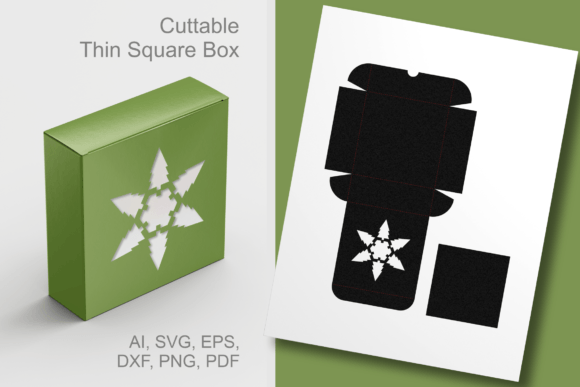
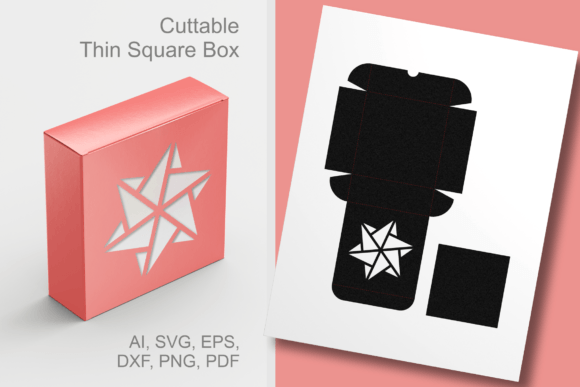
Selecting the appropriate packaging for seasonal gifts requires balancing aesthetic appeal with structural integrity. The Winter Hex Star Window Thin Square Box represents a specific niche in DIY packaging: a low-profile container designed specifically for flat or shallow items rather than bulky goods. Unlike standard cubic favor boxes, this template prioritizes surface area over depth, featuring a geometric hex star cutout that serves as both a decorative element and a functional window. For crafters and event planners comparing packaging options, understanding the distinct utility of this thin square format is essential for determining whether it aligns with specific gifting needs or if an alternative structure would be more suitable.
Distinguishing Features of the Thin Square Profile
The primary differentiator of the Winter Hex Star Window Thin Square Box is its dimensional ratio. Measuring approximately 6 x 6 x 2 inches (15 x 15 x 5 cm) after assembly, this box deviates from the traditional cube shape common in holiday packaging. This specific geometry addresses a frequent pain point in gift wrapping: the "dead space" problem. Standard favor boxes often leave significant empty volume when packaging cookies, chocolate bars, or folded textiles, requiring excessive filler material to prevent shifting.
The thin square profile eliminates this inefficiency. It is engineered for items that are naturally flat, providing a snug fit that enhances presentation without bulk. The hex star window on the upper lid acts as a focal point, allowing the contents to remain visible while maintaining the structural rigidity of the lid. When evaluating this design against solid-lid alternatives, the tradeoff is clear: the window offers superior visual merchandising and festive character but reduces the printable surface area on the top panel. For users prioritizing branding space over product visibility, a solid lid may be preferable; however, for homemade treats where the texture and appearance of the gift are part of the value proposition, the windowed design adds tangible perceived value.
Material Compatibility and File Format Evaluation
A critical decision factor for digital templates is compatibility with available hardware and software. The Winter Hex Star Window Thin Square Box template is provided in a comprehensive suite of vector formats, including SVG, EPS, AI, DXF, PDF, PNG, and JPG. Understanding which format to utilize depends entirely on the production method.
- Cutting Machine Users: For those using Cricut, Silhouette, or Brother ScanNCut machines, the SVG and DXF files are the industry standards. These vectors contain precise path data that allows the blade to execute clean cuts for the intricate hex star geometry. Raster files like JPG or PNG should be avoided for cutting, as they require tracing which can lead to jagged edges and misalignment.
- Professional Printing: If outsourcing production to a commercial print shop, EPS or AI files are typically required. These formats preserve vector scalability and layer information necessary for professional die-cutting or laser finishing.
- Manual Assembly: For crafters without electronic cutting tools, the vector-based PDF serves as a high-resolution guide for printing and hand-cutting. While more labor-intensive, this option allows for accessibility without specialized hardware investment.
When comparing this multi-format availability to single-format templates, the versatility reduces friction. However, users must still verify their machine’s native file support. While SVG is widely accepted, some older cutting machines may strictly require DXF or proprietary formats, necessitating conversion that could potentially alter complex node structures in the star pattern.
Scalability and Structural Integrity Tradeoffs
One of the most significant advantages of vector-based templates is the ability to resize. The base dimensions of 6 x 6 x 2 inches serve as a proven starting point, but the design allows for scaling to accommodate different contents. This flexibility is vital when comparing generic store-bought boxes to custom digital templates. Retail packaging comes in fixed increments; digital templates adapt to the gift.
However, resizing introduces structural variables that must be evaluated. Increasing the box size beyond the recommended dimensions can compromise the rigidity of the thin sidewalls, particularly around the hex star window. If scaling up by more than 20%, it is advisable to increase paper weight proportionally. Conversely, scaling down significantly may make the tab insertion points too small for standard cardstock thickness, leading to assembly frustration. Users should perform test cuts with scrap material at any new scale before committing to final stock. This iterative testing process distinguishes successful custom packaging from failed projects, a step not required with pre-manufactured alternatives.
Best-Fit Scenarios Versus Alternative Options
Determining when to use the Winter Hex Star Window Thin Square Box versus other packaging styles requires an honest assessment of the contents and the occasion. This template excels in specific contexts but falls short in others.
Ideal Use Cases:
- Baked Goods and Confections: Shortbread, macarons, chocolate barks, and fudge are optimal candidates. The shallow depth prevents stacking damage, and the window showcases artisanal textures.
- Wedding Favors: The elegant geometric star motif bridges the gap between winter holidays and formal events. It suits place-setting gifts like personalized coasters, seed packets, or flat keepsakes.
- Textile Gifts: Folded tea towels, embroidered patches, or silk scarves fit the profile well without creating unsightly bulges.
When to Choose Alternatives:
- Voluminous Items: Mugs, candles, or plush toys will not fit. A gable box or pillow box would be structurally superior.
- Liquid or Greasy Contents: Unless lined with food-safe barriers, uncoated cardstock windows are vulnerable to staining. Sealed plastic containers or wax-lined boxes are safer alternatives for oily treats.
- High-Security Shipping: This box is designed for hand-delivery or local transport. The tuck-tab closure is decorative, not tamper-evident or crush-resistant. For mailing, a corrugated mailer with internal padding is necessary.
Comparing Digital Templates to Pre-Made Packaging
For adults weighing the effort-to-reward ratio, comparing DIY templates to retail packaging is practical. Pre-made boxes offer consistency and zero assembly time but lack customization and often come in minimum order quantities that exceed actual needs. The Winter Hex Star Window Thin Square Box template shifts the cost from per-unit pricing to upfront time investment.
If producing fewer than 20 units, the digital template is generally more cost-effective and allows for exact quantity matching, reducing waste. For runs exceeding 100 units, the labor hours for cutting, scoring, and assembling may outweigh the savings unless the maker possesses automated equipment. Additionally, retail boxes often include reinforced corners and pre-applied adhesive strips that DIY versions lack. Users must decide whether the bespoke charm of a handmade hex star window justifies the additional manual labor compared to the sterile efficiency of mass-produced packaging.
Practical Considerations for Assembly and Presentation
The success of the Winter Hex Star Window Thin Square Box relies heavily on material selection and assembly technique. Because the box is thin, the choice of paper weight directly impacts durability. Cardstock in the 65lb to 80lb range (approximately 175–220 gsm) provides the optimal balance of foldability and stiffness. Heavier weights may crack during folding, especially at the star points, while lighter weights may sag under the weight of dense candies.
Scoring is non-negotiable for this design. The geometric precision of the hex star and the crispness of the square edges depend on clean fold lines. Dry scoring tools or machine scoring attachments yield professional results that freehand folding cannot achieve. Furthermore, because the window removes material from the lid, the remaining frame is narrower than a solid lid. Adhesive application should be precise; excess glue near the window edge can seep through and mar the presentation. Double-sided tape or precision glue pens are superior to liquid glues for this specific template.
Finally, consider the interplay between the box color and the contents. The hex star window creates a framing effect. Dark boxes with light contents (or vice versa) maximize contrast and visual impact. Monochromatic schemes offer subtlety but risk making the window less distinct. Testing color combinations with the actual contents before final production ensures the packaging enhances rather than obscures the gift inside. By carefully evaluating these material and aesthetic factors, makers can leverage the unique properties of this thin square format to create packaging that is both functionally sound and visually distinctive.