Evaluating the 6 Point Star Window Square Box Template for Seasonal Packaging
Selecting the right packaging template involves balancing structural integrity, aesthetic appeal, and production efficiency. The 6 Point Star Window Square Box Template occupies a specific niche within digital crafting and small-scale packaging design. Unlike standard solid-top boxes or generic circular window designs, this template integrates a geometric cutout that serves both decorative and functional purposes. For crafters, event planners, and small business owners comparing packaging options, understanding the distinct characteristics of this thin square format is essential for determining if it aligns with specific project requirements.
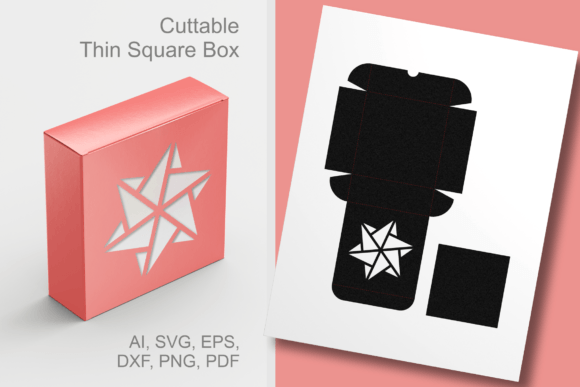
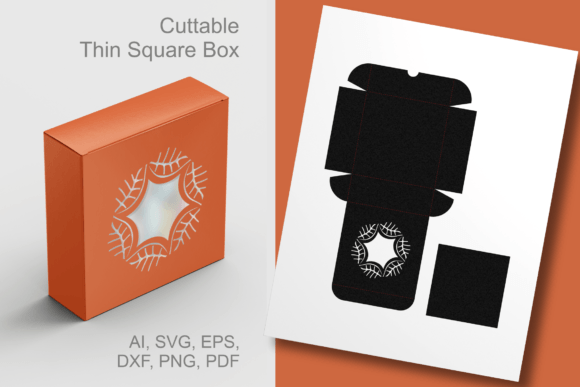
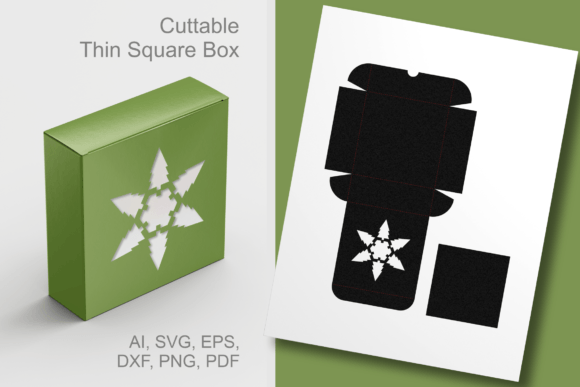
This template is engineered specifically for thin-profile items rather than bulky gifts. With finished dimensions of approximately 6 x 6 x 2 inches (15 x 15 x 5 cm), it targets a market segment often underserved by standard retail boxes: homemade confections, flat favors, and delicate textiles. When evaluating this resource against other digital cutting files, the primary differentiator is the interplay between the six-point star aperture and the low-profile box structure. This combination creates a display-oriented package that prioritizes visibility over maximum storage capacity.
Structural Characteristics and Dimensional Fit
The defining feature of this template is its shallow depth. In the landscape of gift box templates, "square" often implies a cube or a taller rectangle. However, this 6 Point Star Window Square Box Template is optimized for a 2-inch height. This distinction is critical when comparing alternatives for specific contents.
- Ideal Contents: Macarons, chocolate truffles, cookies, soap bars, embroidered patches, jewelry, and tea bags. The low profile prevents these items from shifting excessively during transport.
- Unsuitable Contents: Mugs, candles in glass jars, plush toys, or stacked clothing. These items require deeper vertical clearance and would compromise the structural integrity of a thin box.
When researching packaging solutions, users must assess whether their product fits within the 15 x 15 x 5 cm envelope. While the template offers resizing capabilities via vector formats like SVG, AI, and EPS, altering the proportions significantly can affect the fold lines and tab alignment. Scaling up to accommodate taller items may require manual adjustment of the glue tabs and side panels, whereas scaling down for smaller favors generally maintains structural stability. Compared to fixed-size physical boxes purchased in bulk, this digital template offers superior adaptability, provided the user possesses basic vector editing skills.
Material Compatibility and Cutting Performance
The intricate geometry of the six-point star window introduces specific material considerations that differ from solid-lid box templates. The internal points of the star create stress concentrations during the cutting and folding process. When comparing this template to simpler shapes, material selection becomes a more significant variable in the decision-making process.
Cardstock in the range of 65lb to 80lb (175–220 gsm) typically offers the optimal balance. Lighter paper may tear at the star’s inner vertices during assembly, while heavy cardstock or chipboard can be difficult to score precisely around tight corners without specialized equipment. Users operating Cricut, Silhouette, or Brother cutting machines should evaluate their blade sharpness and mat adhesion before committing to large production runs. Unlike raster-based images, the vector files (SVG, DXF, EPS) included with this template ensure clean paths regardless of size, but the physical limitations of the chosen substrate remain a deciding factor for success.
Aesthetic Comparison: Geometric Windows vs. Standard Designs
Visual presentation is often the primary driver for choosing a windowed box over a solid one. However, not all window styles serve the same branding or thematic purpose. The six-point star motif carries specific associations that distinguish it from other common die-cut shapes.
Seasonal Specificity vs. Year-Round Utility: The six-point star is strongly correlated with winter holidays, Hanukkah, and celestial themes. If the goal is general-purpose retail packaging for spring or summer products, a circle, heart, or hexagon window might offer greater longevity. Conversely, for winter weddings, holiday treat exchanges, or seasonal corporate favors, this template provides immediate thematic recognition that generic shapes lack.
Framing Effect: Compared to a full-panel open window, the star shape acts as a vignette. It reveals only the center of the contents, which is advantageous for imperfectly arranged items. If you are packing loose candies or rustic baked goods where uniformity varies, the star frames a focal point while concealing edge irregularities. A large rectangular window, by contrast, demands perfectly aligned contents to look professional.
Digital Format Versatility and Workflow Integration
For users managing multiple production workflows, file format availability is a practical comparison metric. This template includes a comprehensive suite of vector and raster options, addressing different user needs:
- SVG/DXF/EPS/AI: Essential for electronic cutting machines and professional Adobe Illustrator workflows. These formats allow for node-level editing, enabling users to adjust the star’s proportions or add custom text layers directly into the cut file.
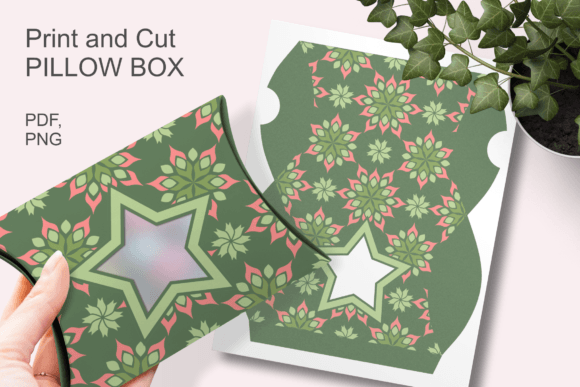
- Vector-Based PDF: Ideal for print-and-cut methods or commercial printing services. Unlike raster PDFs, vector PDFs maintain crisp edges at any zoom level, ensuring accurate scoring guides even when printed on large-format plotters.
- PNG/JPG: Useful for mockups, digital proofs, or sublimation transfers. While not suitable for precision cutting, these files facilitate client approval processes or marketing material creation before physical production begins.
When evaluating this against free or single-format alternatives, the multi-format inclusion reduces friction for users who switch between personal crafting and professional design environments. Free templates often lack proper registration marks or separate score/cut layers, leading to trial-and-error waste. The structured layering in professional-grade templates like this one typically offsets the initial cost through reduced material waste and setup time.
Tradeoffs and Decision Factors
No packaging template is universally superior. Choosing the 6 Point Star Window Square Box Template involves accepting certain tradeoffs in exchange for its specific benefits. Understanding these compromises helps prevent buyer’s remorse and ensures realistic expectations.
Assembly Time vs. Visual Impact: Boxes with intricate windows generally require more careful assembly than simple tuck-top boxes. Aligning the star points during folding demands patience and precision. For high-volume production where speed is paramount, a simpler auto-lock bottom box might be more efficient despite being less visually distinctive. This template is best suited for batches where perceived value outweighs assembly labor costs.
Protection vs. Display: The window inherently reduces the protective barrier around the product. For food items, this necessitates an additional inner liner or food-safe bag. Solid boxes offer better contamination protection and light shielding. If preserving freshness or preventing UV damage is the priority, this windowed design requires supplementary packaging steps that solid alternatives do not.
Customization Ceiling: While resizable, the star geometry imposes limits on extreme aspect ratio changes. Making the box significantly longer or wider without adjusting the star proportionally can result in awkward negative space. Users needing highly non-standard dimensions might find modular box generators or fully custom dielines more appropriate than adapting this specific template.
Best-Fit Scenarios and Alternatives
Based on comparative analysis, this template emerges as the strongest candidate in specific contexts. It is particularly well-suited for:
- Winter Wedding Favors: Where the celestial motif complements formal decor and the thin profile accommodates place cards or sugared almonds.
- Artisan Food Gifting: Specifically for flat or layered treats where the window enhances appetite appeal without exposing the entire product.
- Small Business Limited Editions: Holiday-specific product launches where packaging differentiation drives impulse purchases.
- Craft Fair Vendors: Who need distinctive, low-cost packaging that stands out on crowded tables without requiring expensive custom printing.
Conversely, readers should consider alternative solutions if:
- Products exceed 2 inches in height after compression.
- The brand identity is strictly minimalist or industrial, conflicting with the ornate star geometry.
- Production volume exceeds several hundred units per day without automated die-cutting equipment.
- Contents are liquid, powdery, or otherwise prone to sifting through cutouts.
Ultimately, the 6 Point Star Window Square Box Template represents a specialized tool in the packaging arsenal. Its value lies not in universal applicability, but in its precise alignment with seasonal aesthetics and thin-profile product presentation. By weighing its dimensional constraints, material requirements, and visual characteristics against project specifics, makers and businesses can determine whether this template delivers the desired balance of form and function. Design by Print Cut Hang, this resource exemplifies how targeted digital design solves specific packaging challenges that generic off-the-shelf solutions often overlook. Careful evaluation of these factors ensures that the selected template enhances rather than complicates the gifting or retail experience.