Evaluating Floral Layered Frames Letter Paper Cut Files
Selecting the appropriate digital assets for paper crafting requires understanding both the aesthetic design and the technical specifications of the file. The Floral Layered Frames Letter Paper Cut is a specialized digital template designed for precision cutting machines and laser engravers. Unlike standard vector graphics, this specific type of artwork relies on multiple stacked layers to create depth, shadow, and dimension. For crafters and designers evaluating this asset, it is essential to look beyond the visual preview and assess how the included file formats, resizing capabilities, and digital nature align with specific production goals.
Understanding the Design Architecture
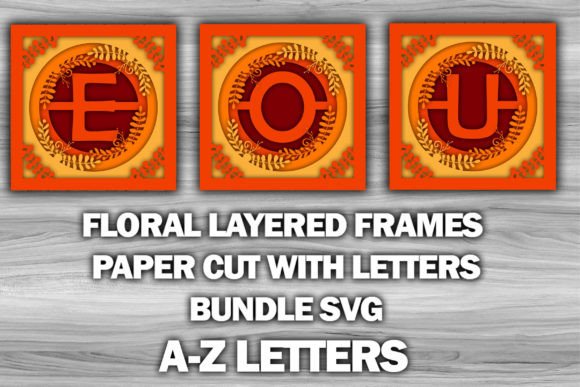
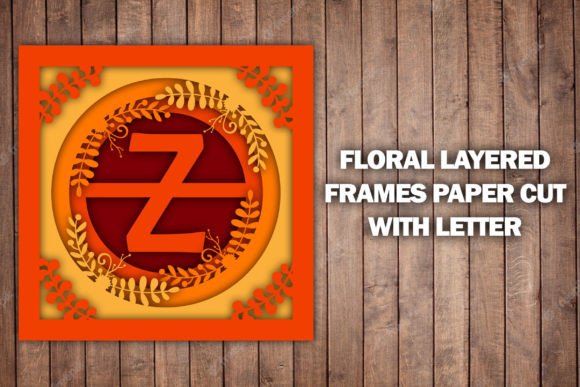
The Floral Layered Frames Letter Paper Cut is engineered specifically for subtractive manufacturing processes. The design typically consists of an alphabet or monogram set surrounded by intricate botanical elements. The "layered" aspect is the defining technical feature; rather than being a single flat shape, the frame is separated into distinct color or material planes. When assembled, these planes create a three-dimensional effect that mimics hand-cut paper artistry.
For those researching this product category, it is important to distinguish between true layered files and simulated depth. High-quality layered frames provide separate cut lines for each tier of the floral arrangement. This allows users to utilize different cardstock colors, textured papers, or varying material thicknesses. If the evaluation criteria include creating dimensional shadow boxes or multi-colored greeting cards, verifying that the file contains distinct layer groups rather than merged vectors is a critical first step.
Technical Specifications and File Compatibility
A primary factor in selecting digital cutting files is compatibility with existing hardware and software ecosystems. This Floral Layered Frames Letter Paper Cut package includes five distinct file types: SVG, PNG, AI, PDF, and DXF. Understanding the utility of each format helps determine if the bundle meets current workflow requirements.
- SVG (Scalable Vector Graphics): This is the industry standard for electronic cutting machines like Cricut and Silhouette. It retains editability, allowing users to ungroup layers, change colors, and resize without quality loss.
- DXF (Drawing Exchange Format): Essential for users operating older versions of Silhouette Studio or specific laser cutting software that does not natively support SVG. It preserves vector paths but may sometimes lose fill color data upon import.
- PNG (Portable Network Graphics): A high-resolution raster image useful for print-then-cut projects, sublimation transfers, or digital mockups where cutting is not required.
- AI (Adobe Illustrator): The source file format, providing maximum control for professional designers who need to modify anchor points, adjust stroke weights, or integrate the frame into complex commercial branding.
- PDF (Portable Document Format): Useful for manual cutting via printed templates or for viewing the assembly guide to understand layer stacking order before committing materials.
The delivery method is a single ZIP archive containing all variations. Users should verify their ability to extract compressed files and confirm that their specific machine software supports at least one of the provided vector formats before purchase.
Resizing and Scalability Considerations
One of the stated benefits of this digital asset is the ability to easily resize the artwork. Because the core files (SVG, AI, DXF) are vector-based, they are mathematically defined rather than pixel-based. This means the Floral Layered Frames Letter Paper Cut can be scaled from a small jewelry tag size to a large wall sign without pixelation or jagged edges.
However, practical evaluation requires considering the physical limitations of scaling. While the digital file scales infinitely, the physical intricacy of the floral details has a lower limit. Reducing the frame below a certain threshold may result in cut failures due to blade width or laser kerf. Conversely, enlarging the frame significantly may require thicker paper stock to maintain structural integrity. Evaluators should test scale extremes with scrap material to establish safe operating parameters for their specific equipment.
Benefits and Practical Applications
The primary advantage of acquiring this digital collection over purchasing pre-made physical items is customization and repeatability. Digital ownership eliminates per-unit costs after the initial acquisition. For small business owners producing wedding stationery, personalized gifts, or event decor, this cost structure offers significant margins compared to sourcing physical die-cuts.
Furthermore, the digital format facilitates rapid prototyping. Users can experiment with color palettes, layer arrangements, and sizing in software before consuming physical media. This reduces waste and accelerates the design validation process. The inclusion of the full alphabet or letter set also provides versatility, allowing for consistent branding across various initials without needing to purchase individual letters separately.
Tradeoffs and Limitations
Despite the advantages, there are inherent tradeoffs to choosing a digital layered frame over alternatives. The most significant is the labor requirement. Physical pre-cut frames arrive ready to assemble; digital files require the user to perform every cutting, weeding, and gluing step. For high-volume production runs, the time investment per unit must be factored into the total cost analysis.
Additionally, layered paper cuts demand precise registration. If the cutting machine’s mat alignment is off, or if paper expands/contracts due to humidity, the layers may not stack perfectly. This tolerance issue is less prevalent in single-layer designs. Users must possess intermediate to advanced crafting skills to achieve professional results with complex layered florals.
It is also vital to reiterate that this is strictly a digital product. No physical item will be shipped. Buyers accustomed to e-commerce platforms selling tangible goods must adjust expectations regarding immediate gratification. There is no unboxing experience, only file management and software setup.
Situational Fit: When to Choose This Asset
The Floral Layered Frames Letter Paper Cut is a strong fit for specific user profiles and project types. It is ideal for:
- Personalization-Heavy Projects: When the core value proposition involves custom names or initials, digital flexibility outweighs the convenience of static physical products.
- Multi-Media Crafters: Users who switch between vinyl cutting, laser engraving, and digital printing benefit from the comprehensive file bundle.
- Design Iteration: Creators who frequently update seasonal color schemes or adapt styles for different clients need editable source files rather than fixed physical inventory.
- Budget-Conscious Scaling: Hobbyists transitioning to small business models who cannot yet justify bulk wholesale orders of physical components.
When Alternatives Are Preferable
Conversely, alternative solutions may better serve other needs. If the project requires a single, one-off gift and the user lacks cutting equipment, purchasing a finished physical frame is more economical and efficient. Similarly, if the desired aesthetic is photographic realism rather than stylized vector art, raster-based clipart or sublimation prints would be superior choices.
Users requiring commercial licensing for mass-produced merchandise (e.g., thousands of units sold in big-box retail) should also carefully review the specific license terms associated with this download. Many digital cut files are licensed for small business use only, requiring extended licenses for industrial-scale manufacturing. Always verify usage rights against intended commercial volume.
Making the Final Decision
Evaluating the Floral Layered Frames Letter Paper Cut ultimately comes down to matching technical capabilities with creative objectives. The comprehensive file inclusion ensures broad compatibility, and the vector nature guarantees scalability. However, success depends heavily on the user's proficiency with cutting machinery and willingness to invest time in assembly.
Prospective buyers should assess their current equipment's ability to handle intricate layered cuts and confirm their software can open the provided SVG or DXF files. By weighing the freedom of digital customization against the labor of physical production, crafters can determine whether this digital asset serves as a valuable tool in their repertoire or if a different solution better addresses their immediate needs. The decision should be grounded in practical workflow integration rather than visual appeal alone.