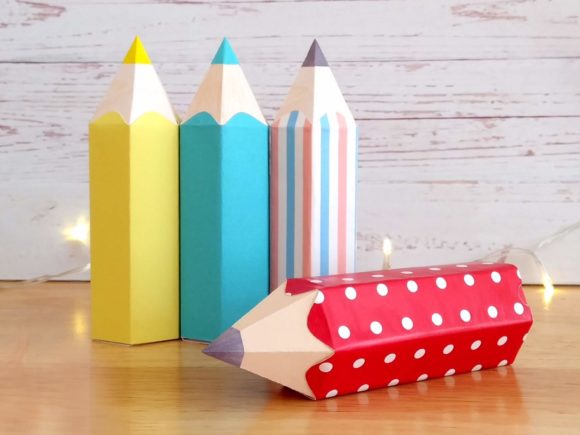
The Pencil Favour Box: A Comprehensive Guide to Custom 3D Packaging for Events and Education
In the realm of creative packaging and event planning, few items bridge the gap between utility and whimsy as effectively as the pencil favour box. This unique 3D structure serves a dual purpose: it functions as a thematic decorative element while providing a practical vessel for gifts, treats, or stationery. Designed specifically with versatility in mind, these boxes have become a staple for educators, party planners, and craft enthusiasts who require professional-looking results without industrial manufacturing costs. Understanding the nuances of creating, assembling, and utilizing these boxes requires a look at material selection, digital fabrication compatibility, and the specific design features that make them functional.
Material Science and Weight Recommendations
The structural integrity of any 3D paper craft relies heavily on the grammage (weight) of the cardstock used. For a pencil favour box to maintain its shape while remaining easy to assemble, there is a distinct difference between the requirements for the structural base and the decorative layers.
Structural Cardstock Specifications
The primary body of the box requires rigidity to support the weight of contents such as candy, small trinkets, or actual writing instruments. The recommended weight range for this component is 220gsm to 250gsm. Paper lighter than 220gsm often lacks the tensile strength necessary to hold score lines crisply, leading to rounded edges rather than sharp, professional corners. Conversely, cardstock exceeding 250gsm can be difficult for standard hobbyist cutting machines to penetrate cleanly and may crack along fold lines if not scored deeply enough. Staying within this optimal window ensures the box is sturdy enough to be filled to the brim without buckling.
Decorative Layer Considerations
To add visual interest without compromising the box's mechanics, decorative overlays should utilize lighter paper stocks. Patterned paper or solid coloured paper in the 80gsm to 120gsm range is ideal. This weight allows for intricate cuts and detailed designs that adhere smoothly to the base structure without adding excessive bulk. Using heavy cardstock for decoration can interfere with the closing mechanism or make the glue tabs too thick to secure properly. By separating the structural and aesthetic material choices, creators achieve a balance of durability and delicate design.
Digital Fabrication and File Compatibility
Modern crafting relies on the seamless integration of digital files and hardware. The pencil favour box template ecosystem is designed to accommodate various machine capabilities through specific file variations. Understanding which file to use is critical for achieving clean assembly lines versus perforated tear-lines.
Score Lines vs. Perforation Cuts
Digital cutting machines generally fall into two categories regarding folding mechanisms: those with dedicated scoring tools and those that rely solely on blades. To address this, comprehensive downloads typically include two distinct SVG cut files:
- Solid Score Line Files: These are engineered for machines equipped with a scoring stylus or wheel. The solid line instructs the machine to indent the paper fibers without severing them. This results in the cleanest, most professional fold and is preferred for high-end teacher gifts or graduation favours where finish quality is paramount.
- Dashed Line Files: For machines lacking a scoring tool, dashed lines serve as a functional alternative. The cutter creates a series of small perforations. While this allows the paper to fold easily, it leaves a visible texture on the exterior. This option democratizes access to the design, ensuring users with entry-level equipment can still produce functional packaging.
PDF Templates and Manual Adaptation
Not all projects require digital automation. The inclusion of a black and white PDF template outline caters to traditional crafters or those needing rapid prototyping. Measuring approximately 14.6cm in height, 4.3cm in depth, and 4.8cm in width, this template provides a standardized baseline. However, its true value lies in its scalability. Because it is a vector-based outline, it can be resized before printing to suit specific needs. Whether scaling down for miniature wedding favours or enlarging to hold full-sized stationery sets, the proportions remain mathematically consistent, ensuring the tab-and-slot mechanics continue to function after resizing.
Assembly Mechanics and Adhesive Selection
The transition from flat template to three-dimensional object depends on precise assembly techniques. Even with perfect cuts, poor adhesive choices can lead to structural failure. The assembly process for these boxes is guided by clear, English-language instructions, but understanding the underlying principles helps troubleshoot common issues.
Adhesive Types for Paper Engineering
Different stages of assembly benefit from different adhesives. Craft glue or PVA is excellent for large surface areas and tab reinforcement because it dries clear and forms a permanent bond. However, PVA introduces moisture, which can warp lighter papers or cause dimensional shifting if not clamped. For instant positioning and securing decorative layers, double-sided tape offers immediate adhesion without drying time. A hybrid approach often yields the best results: using tape for alignment and initial holds, supplemented by PVA for structural tabs that bear weight.
The Importance of Pre-Folding
Before applying any adhesive, every score line or perforation must be pre-folded. This step establishes the memory of the paper. Attempting to fold and glue simultaneously often results in misaligned panels. Running a bone folder or fingernail along all fold lines prior to assembly ensures that the box snaps into its intended geometric form naturally, reducing stress on the glued joints.
Strategic Applications Across Demographics
The versatility of the pencil favour box extends far beyond simple novelty. Its form factor makes it uniquely suited for several distinct markets and occasions, each with specific gifting etiquette and practical requirements.
Educational and Academic Milestones
For teachers and school administrators, these boxes serve as tangible acknowledgments of academic achievement. As back-to-school gifts, they set a positive tone for the year ahead, functioning as both a welcome gesture and a useful supply holder. In graduation contexts, the pencil shape symbolizes learning and future potential. Unlike generic gift bags, a themed container reinforces the narrative of education and accomplishment. They are particularly effective for "stationery addicts," offering a packaging solution that celebrates the recipient's passion for organization and writing tools.
Event Favors and Hospitality
In the events industry, favor boxes must balance cost-efficiency with memorability. The pencil design offers a high perceived value due to its complex 3D geometry, yet it remains economical to produce in batches. For children’s parties, they can be filled with sweets or small toys. For corporate workshops or conferences, they can hold branded pens, USB drives, or mints. The ability to customize the exterior paper allows event planners to match brand colors or party themes precisely, creating a cohesive visual experience.
Retail and Small Business Packaging
Small business owners selling stationery, jewelry, or artisanal treats can utilize these boxes as premium packaging. The unique shape distinguishes products on crowded market tables or in online unboxing experiences. Because the template is resizable, businesses can create a family of packaging sizes that share a consistent brand identity. The "easy to open" feature mentioned in the design specifications is crucial here; packaging that frustrates the customer detracts from the product inside, whereas intuitive engineering enhances the user experience.
Optimizing the Production Workflow
Whether producing a single gift or a hundred event favors, workflow optimization saves time and materials. Successful creation of pencil favour boxes involves more than just cutting and gluing; it requires preparation and testing.
Test Cuts and Calibration
Cardstock density varies significantly between brands, even at the same stated GSM. Before committing to a full production run, always perform a test cut on the exact material intended for use. Verify that the blade depth is sufficient to cut through the outer layer without damaging the mat, and that score lines are deep enough to fold cleanly but not so deep as to tear. Adjusting machine settings based on a test piece prevents wasted material and ensures consistency across the entire batch.
Batch Processing Techniques
When creating multiple units, adopt an assembly-line mentality rather than completing one box at a time. Cut all structural pieces first, then all decorative pieces. Pre-fold all components in a single session. Apply adhesive to all bases before attaching decorations. This repetitive motion reduces the cognitive load of switching tasks and significantly increases throughput. Furthermore, keeping the workspace organized with designated zones for cutting, folding, and gluing minimizes handling damage to delicate paper components.
Design Customization and Personalization
While the structural template provides the skeleton, the creative potential lies in surface customization. The separate PDF outline facilitates this by acting as a guide for hand-drawing, stamping, or digital design overlay. Users can incorporate names, dates, or logos directly onto the box faces. For those proficient in vector software, the SVG files can be modified to add custom cutouts or embossed details. This level of adaptability ensures that the pencil favour box remains relevant across changing trends and personal tastes. It transforms a standard craft project into a bespoke communication tool, capable of conveying specific messages through color, texture, and typography.
Ultimately, the pencil favour box represents a convergence of traditional paper craft and modern digital precision. By respecting material limitations, understanding machine capabilities, and applying thoughtful assembly techniques, creators can produce packaging that is as functional as it is aesthetically pleasing. Whether for a classroom celebration, a wedding reception, or a retail product launch, this format offers a reliable, scalable, and engaging solution for presenting small treasures.